What you'll see · Site 03 of 03
Behind the Line
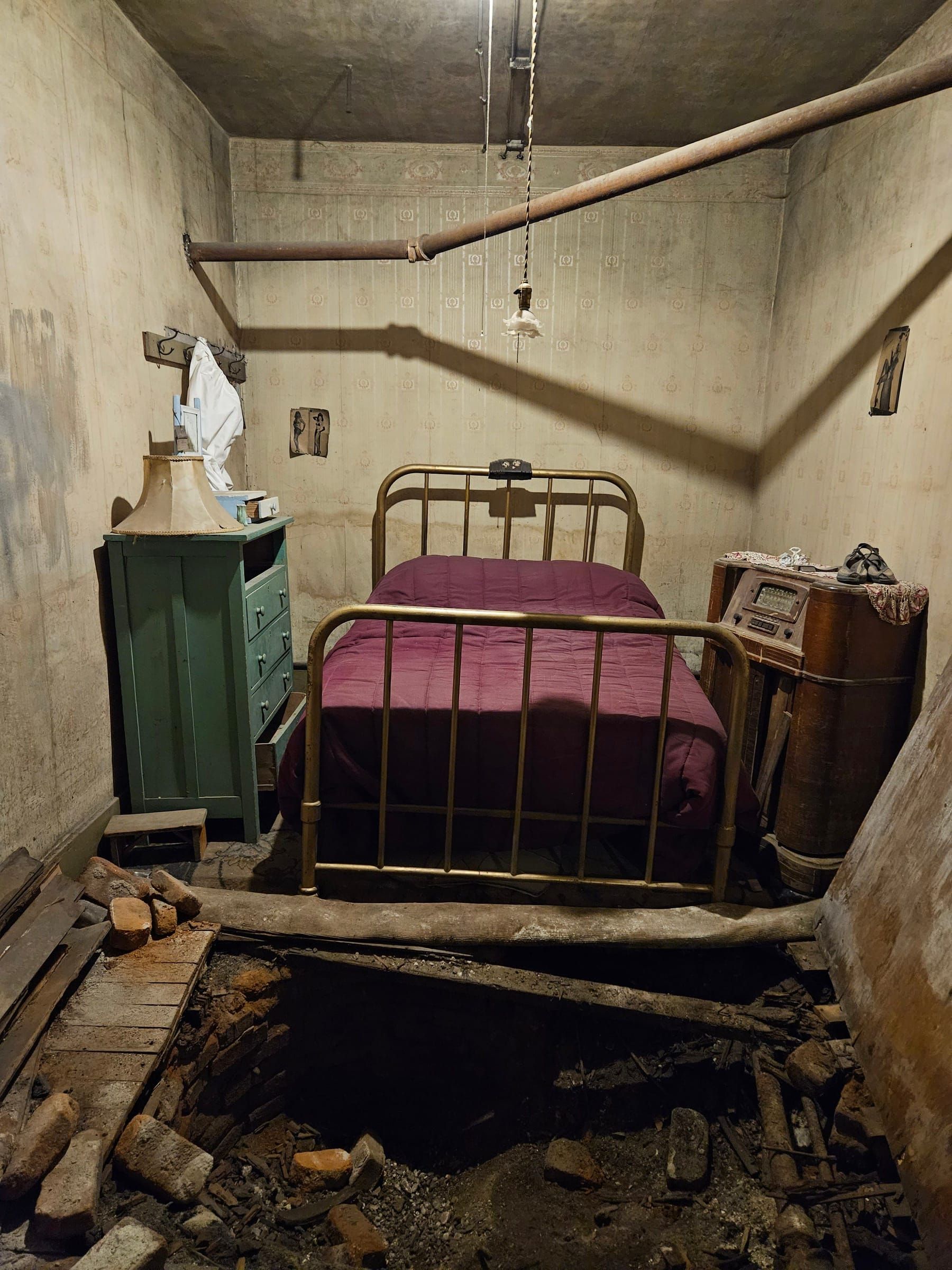
Behind the parlor houses ran the alley where most of the work actually happened: hundreds of one-room cribs, and the place the women banded together to defend.
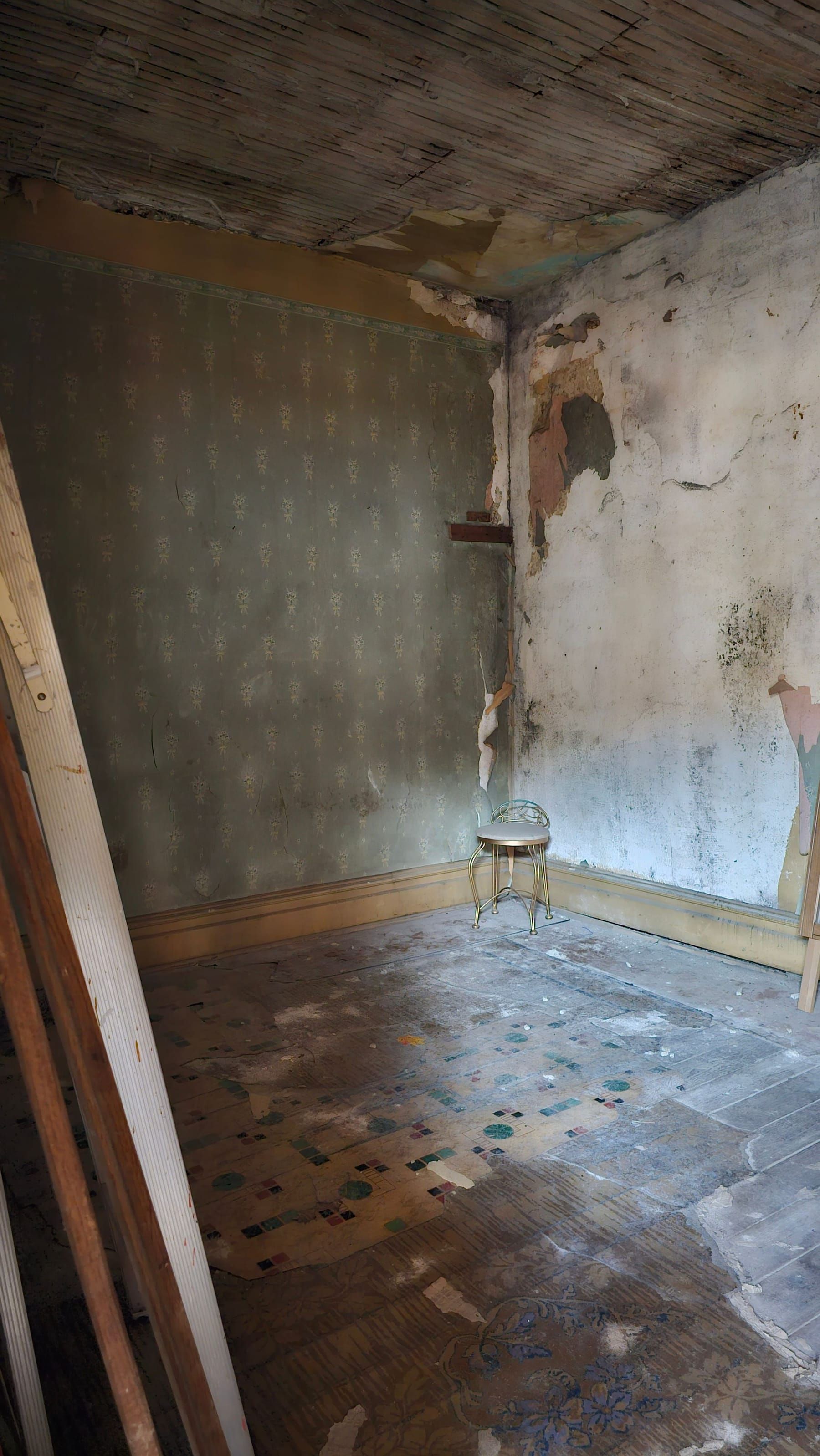 Pleasant Alley, renamed Venus Alley · behind Mercury Street
The story
Where the women cut doors into the backs of the cribs.
Pleasant Alley ran behind the Mercury and Galena Street block, the literal red-light corridor. Renamed Venus Alley in the 1930s (and known less politely to the last madams as "Piss Alley"), it held hundreds of one-room cribs, including famous alley-level "double-deckers" reached by wooden planks.
The women here were not only worked upon; they organized. In a 1903 crackdown, officials ordered them to lengthen their skirts, raise their necklines, and lower their blinds so the cribs would be less visible from the street. The women cut peepholes in the blinds for their faces and, in a labor town like Butte, once banded together to protest, tapping their windows in unison. When solicitation from the thoroughfares was banned, they cut new doors and windows into the backs of the cribs, creating the maze of Pleasant Alley.
Federal law closed the district in 1917, and again in 1943; most of the cribs were demolished in 1954. The alley is still walkable today, and metal silhouette figures, made by local high-school shop students, now quietly mark where the women once stood. It is the most photogenic and most human stop on the route.
Primary source
When solicitation from the street was banned, the women cut new doors and windows into the backs of the cribs, and the labyrinth of Pleasant Alley was born.Montana Women's History
Then & now
The cribs are gone; the alley remains.
Archival view of the crowded crib-lined alley beside today's quiet, silhouette-marked passage.
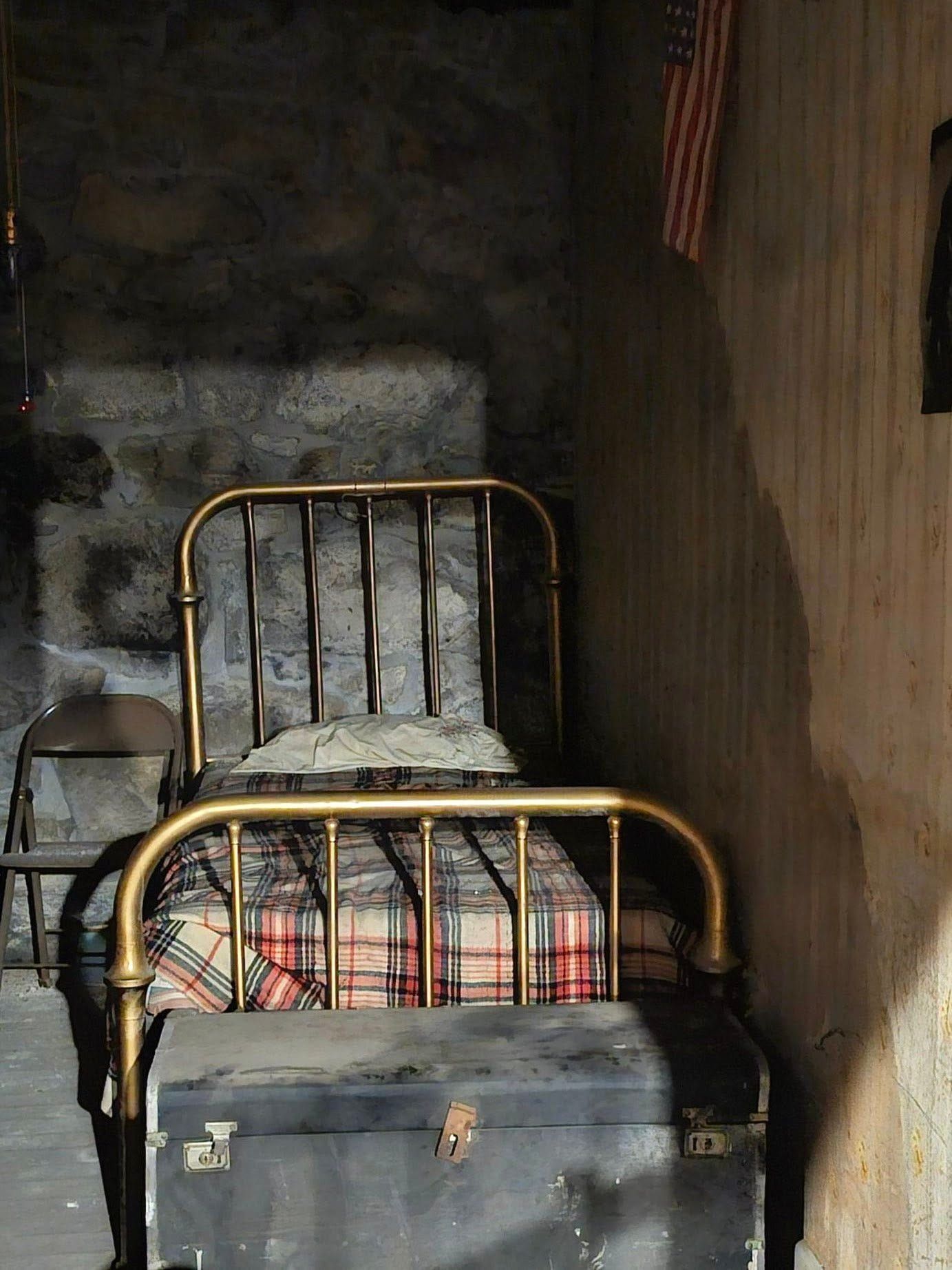 Archival · c.1900
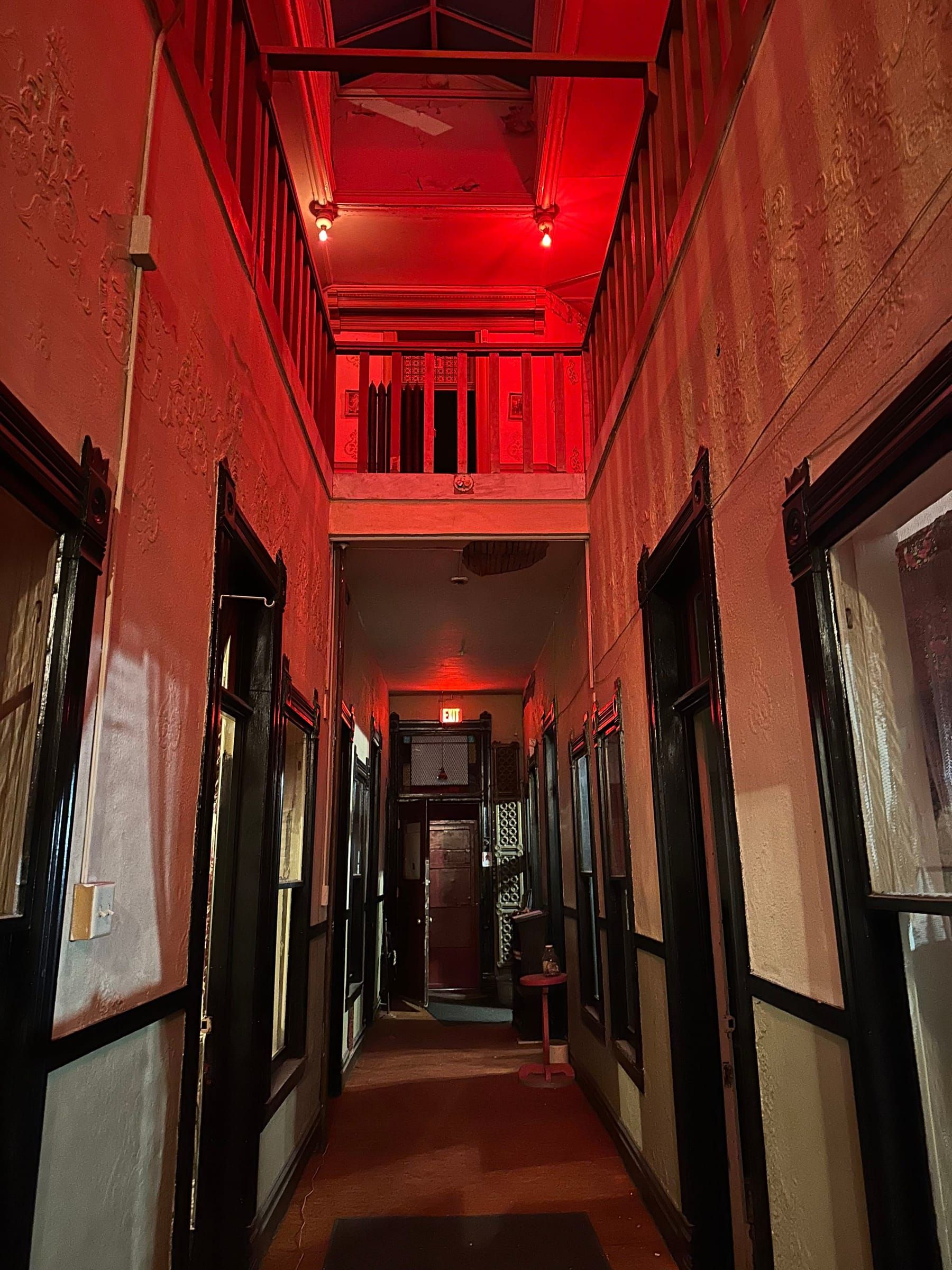 Memorial detail
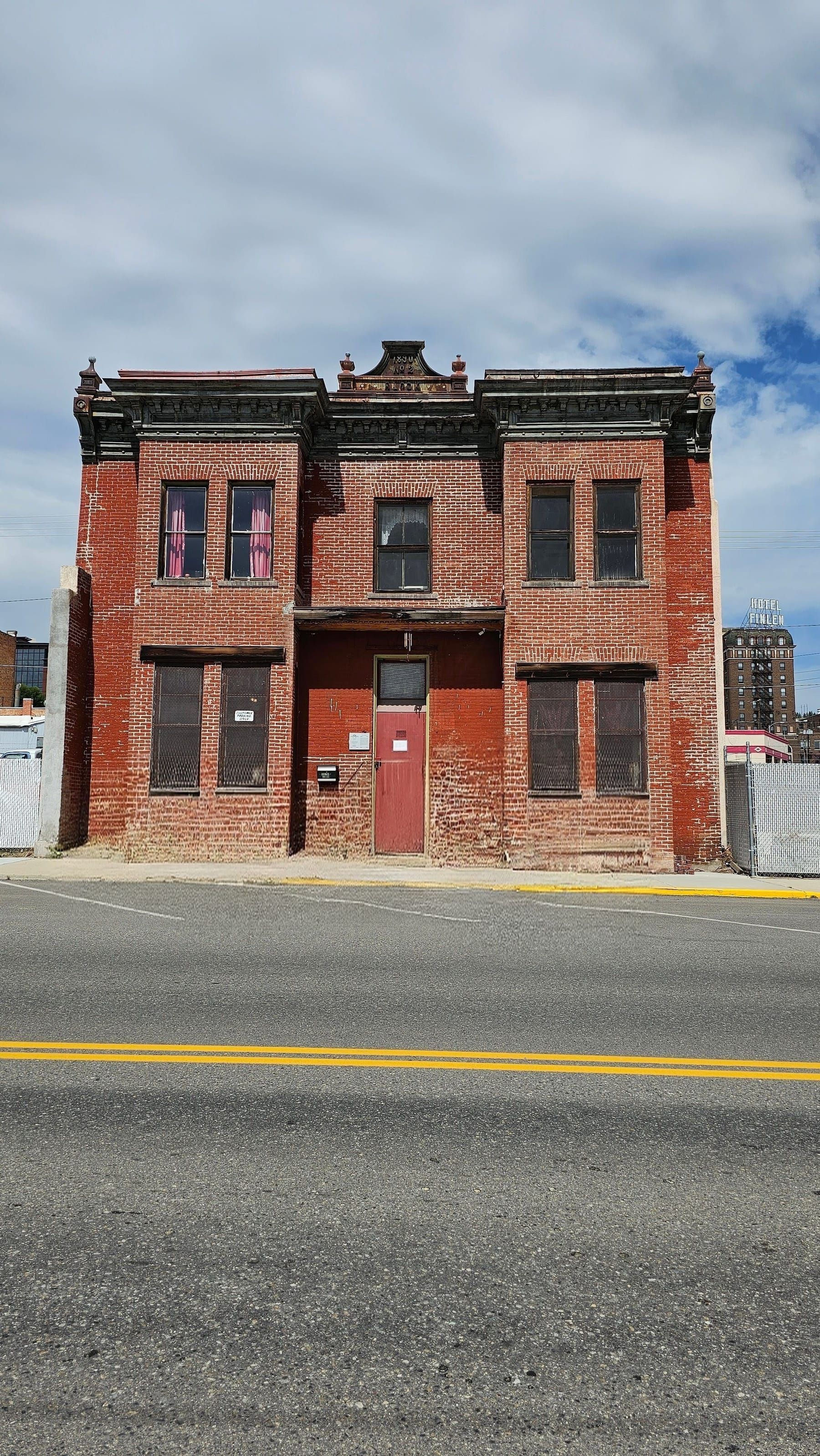 Present day
See it in person
The alley is on both tours.
Walk the Line reads it by day; After Dark stands in it once the crowds have gone.